Double-Flowered
Japanese Kerria
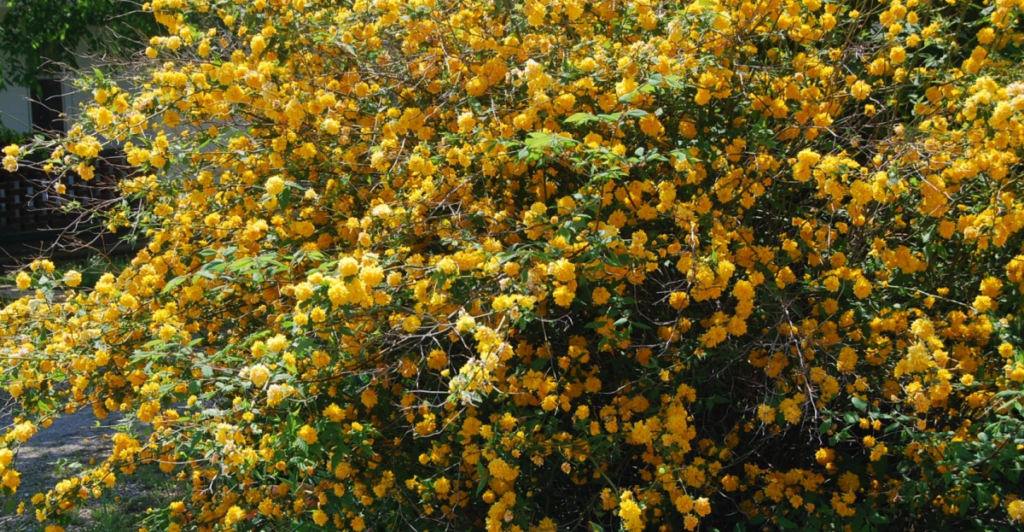
If you’ve ever walked past a shrub dripping in golden, pom-pom blooms in early spring and thought it looked like something out of a cottage garden dream – you’ve probably met Kerria japonica ‘Pleniflora’. This old-fashioned (in the best way!) deciduous shrub puts on a spectacular show in the shade and makes a statement all season long.
Long beloved in country gardens and making a well-deserved comeback in modern landscapes, double-flowered Japanese kerria is tough, fast-growing, and surprisingly low-maintenance once established. Here’s everything you need to know to grow it well.
What Is Japanese Kerria?
Kerria japonica is a deciduous shrub native to the mountainous regions of China and Japan, and a member of the rose family (Rosaceae). Its genus name honors William Kerr, the Scottish plant collector who brought specimens back to Kew Gardens from China in 1805 — and it was he who introduced the double-flowered cultivar ‘Pleniflora’ to Western gardens that same year. It’s also sometimes called Easter rose, because the blooms tend to open right around Easter and bear a striking resemblance to small roses or chrysanthemums.
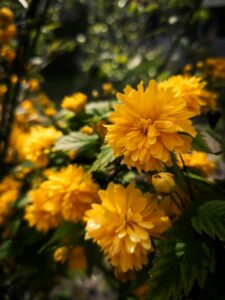
The ‘Pleniflora’ cultivar is by far the most popular form. Where the straight species produces single, five-petaled yellow flowers, ‘Pleniflora’ opens fully double, rounded blooms — nearly spherical, pom-pom-like flowers up to two inches across in a brilliant golden yellow. It has received the Royal Horticultural Society’s prestigious Award of Garden Merit, a testament to its reliability and ornamental value across a wide range of gardens and climates.
Four Seasons of Interest
One of kerria’s greatest selling points is that it earns its place in the garden year-round, not just during its spring bloom window.
- Spring — Masses of brilliant double yellow flowers open in April, often before the foliage fully emerges, giving the shrub a remarkably vivid display against still-bare surroundings. Bloom time typically lasts two to three weeks, and established plants can produce scattered repeat blooms through summer.
- Summer — Bright green, toothed foliage takes over, providing a clean, lush backdrop for other border plants. The arching, graceful stems give the shrub a relaxed, naturalistic character that works well in mixed plantings.
- Fall — Foliage turns an attractive clear yellow before dropping, adding a quiet note of seasonal color to the garden.
- Winter — This is kerria’s secret weapon. The slender, arching stems remain a striking bright green all winter long, providing genuine structural interest during the months when most shrubs are just bare sticks.
Growing Conditions
Japanese kerria is one of the more adaptable shrubs you can plant, and it thrives in situations where many other flowering shrubs struggle — particularly in shade. That said, it has a few clear preferences worth knowing before you plant.
Light. Partial shade to filtered sun is ideal. Morning sun with afternoon shade is the sweet spot — it keeps the flowers a rich, saturated yellow rather than allowing them to fade or bleach out, which can happen in too much direct sun. Kerria can tolerate full shade, though flowering will be somewhat reduced. Avoid harsh, hot afternoon exposures.
Soil. Prefers enriched, loamy, well-drained soil of moderate fertility. It will tolerate dry shade and even periodically wet soils, but genuinely dislikes heavy clay. Avoid overly rich or highly fertilized soils — excess nitrogen produces lush, weedy growth at the expense of flowers.
Water. Water deeply and regularly during the first growing season to establish a strong root system. Once established, kerria is notably drought tolerant and requires very little supplemental watering. Water when the top two inches of soil are dry.
Size. ‘Pleniflora’ grows quickly, typically reaching 8 to 10 feet tall and wide. It has an upright, arching habit. Give it room — this is not a shrub to squeeze into a tight spot and expect to keep small with heavy pruning.
At a glance: Height & spread 8–10 ft · Blooms spring (April) · Partial shade to filtered sun · USDA zones 5–9 · Deer & rabbit resistant · Drought tolerant once established
Pruning
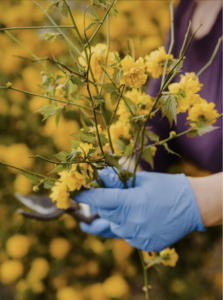
Pruning is the one care task that trips up kerria growers most often — and the key fact to know is that it blooms on the previous year’s wood (old wood). This means if you prune it in late fall or winter, you’ll be removing the very stems that would have flowered in spring.
The rule: always prune immediately after flowering in spring — typically late April to May. At that point you can:
- Remove any dead, damaged, or crossing stems entirely at the base
- Cut back the oldest, woodiest stems to the ground to encourage fresh, vigorous new growth from the base
- Thin out crowded stems to improve air circulation and keep the plant open
- Shape lightly by shortening the longest, most outreaching branches
If your kerria has been neglected and become overgrown or leggy, don’t be timid — you can cut the entire shrub to the ground for a full renovation. It will come back vigorously from the roots. Just accept that you’ll sacrifice one season of bloom.
Suckers. Kerria spreads slowly by root suckers, which can form a widening thicket over time. Simply dig and remove unwanted suckers promptly, or pot them up and share with a friend — they transplant easily.
Landscape Uses & Design Ideas
This is a very old-fashioned shrub making a well-deserved comeback, and for good reason — few hardy plants can produce such brilliant golden color so early in the season, particularly in shade where options are limited.
- Shaded or north-facing borders — kerria is one of the best flowering shrubs for spots that receive limited direct sun, where it will bloom reliably when few other shrubs will cooperate.
- Back of a mixed border — its height and upright arching form make it ideal at the back of a shrub or perennial border, where it stands out dramatically while in bloom and recedes gracefully the rest of the season.
- Woodland garden edges — the naturalistic, arching habit and tolerance of dry shade under trees makes it a perfect woodland garden candidate.
- Foundation plantings and fence lines — fast growth and adaptability make it useful for filling in difficult corners, along fence lines, or beside structures that cast shade.
- Cutting garden — the long, flowering stems are excellent for spring arrangements and cut flower use.
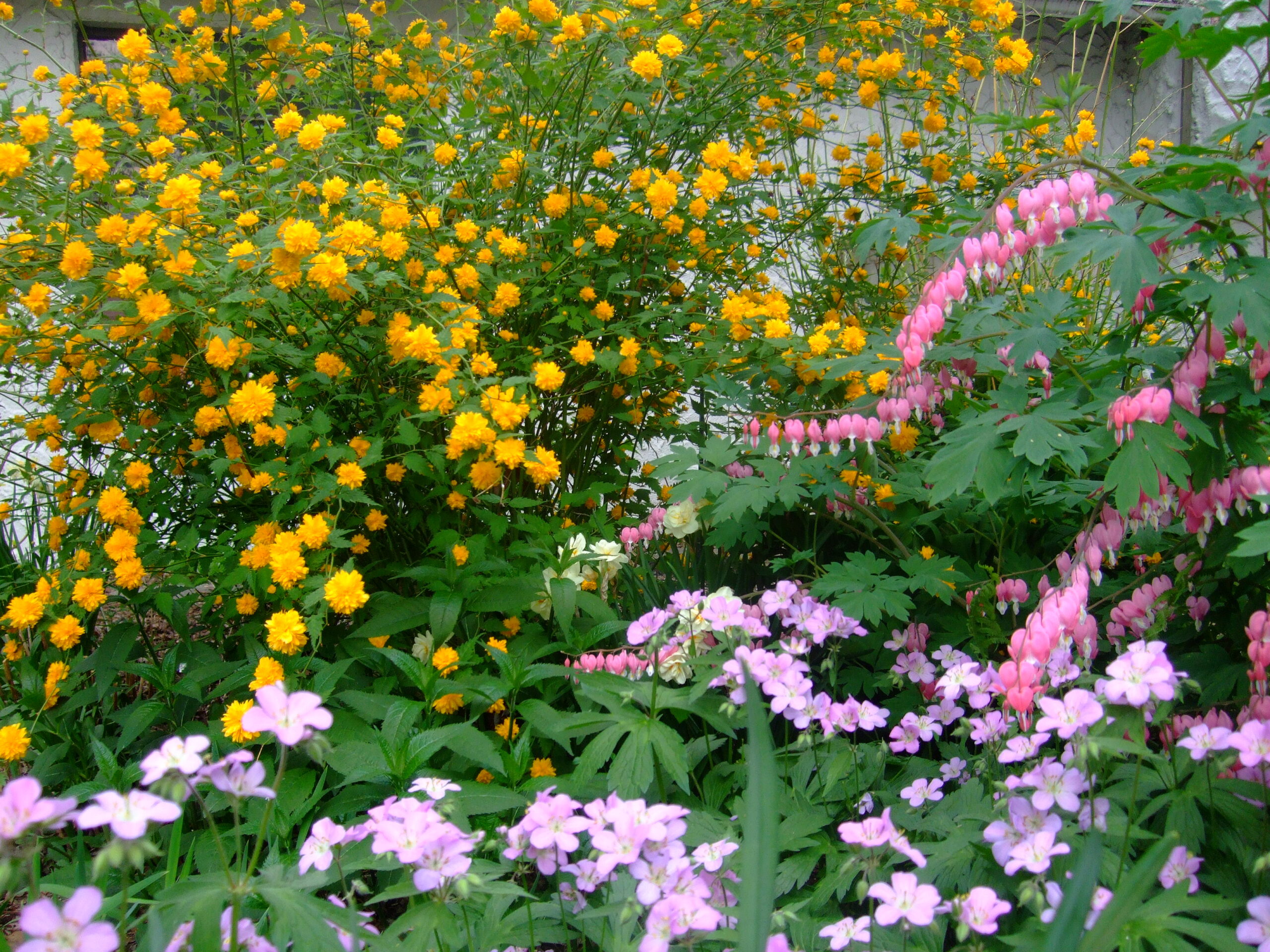
Companion plants to consider: Rosa (rose), Clematis, Weigela, Catmint (Nepeta), and Russian Sage (Perovskia) all make excellent neighbors — each complementing kerria’s golden spring display or providing succession of color through summer and fall.
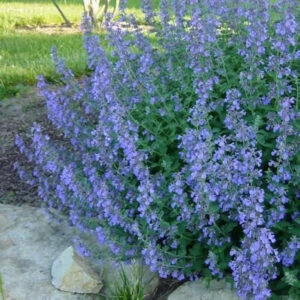
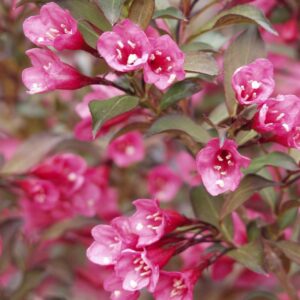
Two great companions for kerria: Catmint (left) provides soft lavender-blue contrast through summer; Weigela (right) adds bold color just as kerria’s blooms are fading.
Stop in and ask us about Double-Flowered Japanese Kerria – we’re happy to help you find the right spot for it in your garden.
Visit us at gatewaygardens.com or in-store Mon–Fri 9am–6pm, Sat–Sun 9am–5pm.
Further Reading & Resources
- Kerria japonica ‘Pleniflora’ Plant Finder (Missouri Botanical Garden)
Authoritative botanical reference covering growth habit, care requirements, pruning guidance, and landscape uses for this cultivar. - Kerria japonica Plant Profile (NC State Extension Gardener Plant Toolbox)
Detailed profile of Japanese kerria including cultivar comparisons, seasonal interest, and tips for managing its suckering habit. - Japanese Kerria (Clemson Extension Home & Garden Information Center)
Practical growing and pruning guide with cultivar descriptions — including when and how to prune for the best flowering results. - Incorporating Plants into the Pennsylvania Garden (Penn State Extension)
Guidance on siting and combining shrubs and perennials in Pennsylvania gardens — helpful for designing around kerria’s shade requirements and seasonal changes. - Exceptional Perennials & Shrubs (Penn State Extension)
A look at standout plants for the Pennsylvania garden, with design tips for combining flowering shrubs with perennial borders for multi-season interest.